

Skip to Content
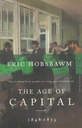
AGE OF CAPITAL (1848-1875)

Price:

1,260.00 ৳


আত্মদর্শন
আত্মদর্শন
636.00 ৳
795.00 ৳ (20% OFF)
Dhaka From City to Megacity
1,196.00 ৳
1,495.00 ৳ (20% OFF)

AGE OF CAPITAL (1848-1875)

The first and best, major treatment of the crucial years 1848-1875, a penetrating analysis of the rise of capitalism throught the world.In the 1860s a new word entered the economic and political vocabulary of the world: 'capitalism'. The global triumph of capitalism is the major theme of history in the decades after 1848. It was the triumph of a society which believed that economic growth rests on competitive private enterprise, on success in buying everything in the cheapest market (including labour) and selling it in the dearest. An economy so based, and therefore nestling naturally on the sound foundations of a bourgoisie composed of those whom energy, merit and intelligence had raised to their position and kept there, would - it was believed - not only create a world of suitably distributed material plenty but of ever-growing enlightenment, reason and human opportunity, an advance of the sciences and the arts, in brief a world of continuous and accelerating material and moral progress.
See More
https://pathakshamabesh.com/web/image/product.template/50791/image_1920?unique=0c38bcb

1,260.00 ৳ 1260.0 BDT 1,400.00 ৳

Not Available For Sale

(10% OFF)

This combination does not exist.

The first and best, major treatment of the crucial years 1848-1875, a penetrating analysis of the rise of capitalism throught the world.In the 1860s a new word entered the economic and political vocabulary of the world: 'capitalism'. The global triumph of capitalism is the major theme of history in the decades after 1848. It was the triumph of a society which believed that economic growth rests on competitive private enterprise, on success in buying everything in the cheapest market (including labour) and selling it in the dearest. An economy so based, and therefore nestling naturally on the sound foundations of a bourgoisie composed of those whom energy, merit and intelligence had raised to their position and kept there, would - it was believed - not only create a world of suitably distributed material plenty but of ever-growing enlightenment, reason and human opportunity, an advance of the sciences and the arts, in brief a world of continuous and accelerating material and moral progress.

Title

AGE OF CAPITAL (1848-1875)

Publisher

Abacus Book

Number of Pages

408

Language

English (US)

Category

  • History
  • First Published

    JAN 1975

    Delivery Charge (Based on Location & Book Weight)

     Inside Dhaka City: Starts from Tk. 70 (Based on book weight)

     Outside Dhaka (Anywhere in Bangladesh): Starts from Tk. 150 (Weight-wise calculation applies)

     International Delivery: Charges vary by country and book weight — will be informed after order confirmation.

     3 Days Happy ReturnChange of mind is not applicable

     Multiple Payment Methods

    Credit/Debit Card, bKash, Rocket, Nagad, and Cash on Delivery also available. 

    The first and best, major treatment of the crucial years 1848-1875, a penetrating analysis of the rise of capitalism throught the world.In the 1860s a new word entered the economic and political vocabulary of the world: 'capitalism'. The global triumph of capitalism is the major theme of history in the decades after 1848. It was the triumph of a society which believed that economic growth rests on competitive private enterprise, on success in buying everything in the cheapest market (including labour) and selling it in the dearest. An economy so based, and therefore nestling naturally on the sound foundations of a bourgoisie composed of those whom energy, merit and intelligence had raised to their position and kept there, would - it was believed - not only create a world of suitably distributed material plenty but of ever-growing enlightenment, reason and human opportunity, an advance of the sciences and the arts, in brief a world of continuous and accelerating material and moral progress.
    No Specifications